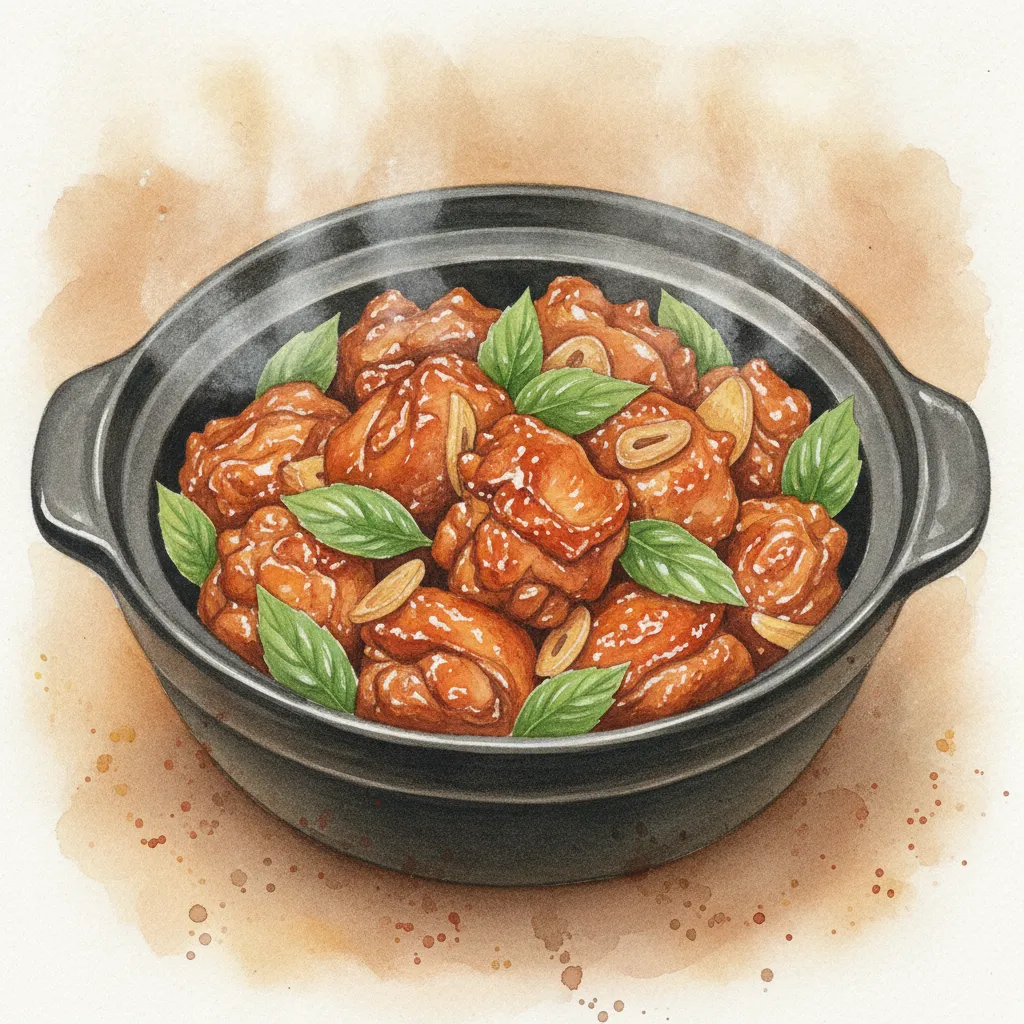
Three Cup Chicken
A Taiwanese classic — equal parts sesame oil, soy sauce, and rice wine, braised with fragrant Thai basil. Aromatic and irresistible.
Prep Time
15 min
Cook Time
25 min
Difficulty
Medium
Servings
4 servings
Ingredients (9 items)
- Chicken thighs600 g
- Ginger (old)30 g
- Garlic cloves10 pcs
- Thai basil50 g
- Black sesame oil3 tbsp
- Soy sauce3 tbsp
- Rice cooking wine (Michiu)3 tbsp
- Rock sugar1 tbsp
- Chili pepper(可選)1 pc
Instructions
- 1
Cut chicken thighs into bite-sized pieces. Marinate with a little soy sauce and rice wine for 10 minutes.
- 2
Slice ginger thinly, crush garlic, and cut chili into diagonal slices.
Thin ginger slices crisp up better and release more aroma.
- 3
Heat sesame oil in a cold wok over low heat. Add ginger slices and slowly fry until slightly curled.
Never use high heat with sesame oil — it turns bitter.
Low HeatSlow Simmer - 4
Add garlic and chili. Fry until fragrant.
- 5
Add chicken and stir-fry over high heat until golden on the surface.
High Heat - 6
Add soy sauce, rice wine, and rock sugar. Cover and braise for 10 minutes.
- 7
Uncover and reduce sauce over high heat. Toss in Thai basil just before serving.
Add basil at the very end so it stays vibrant and fragrant.
High Heat
Voice Guide
Step 1 / 7
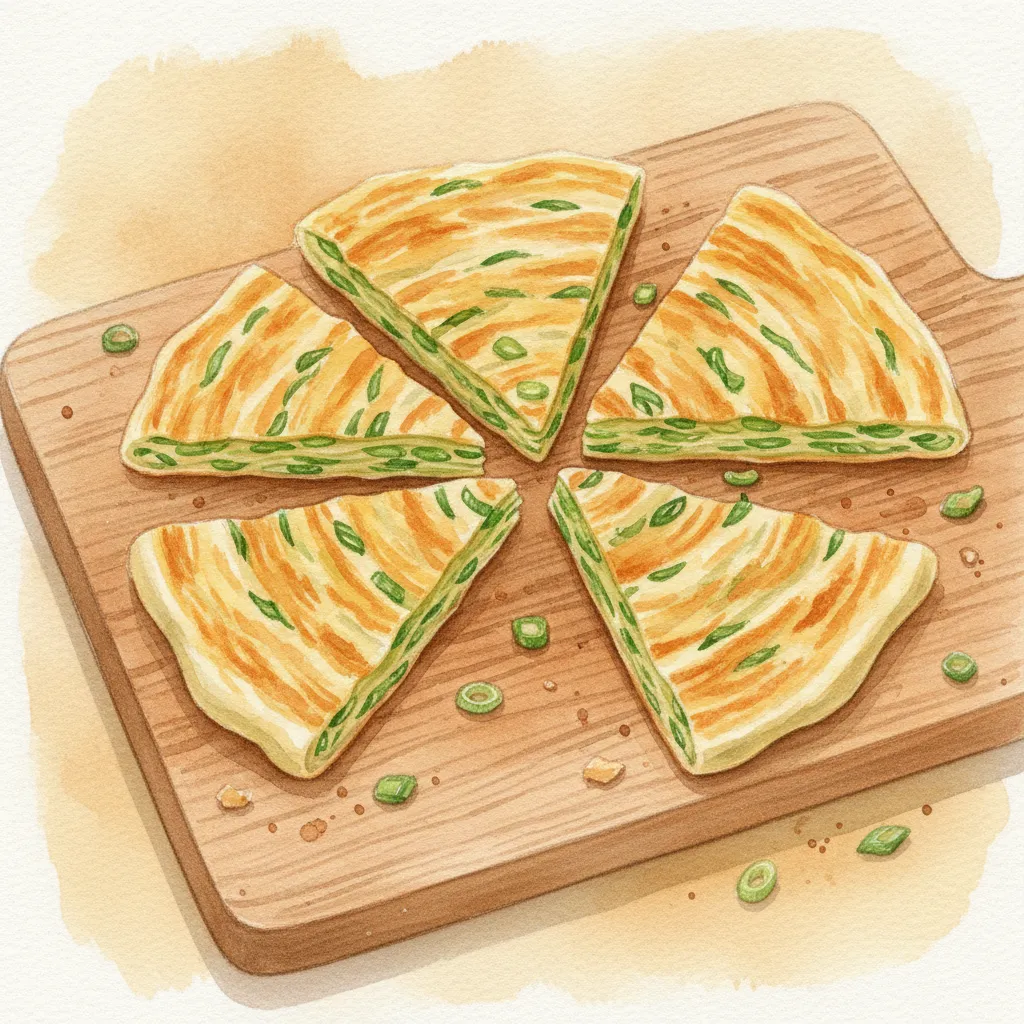
Perfect Pairings
What to serve alongside this dish
Nutrition Facts (per serving)
Estimated from ingredient database. Actual values may vary.
Food Safety Reminder
Please check ingredient freshness before cooking. Ensure food is heated to a core temperature of 70°C or above. Use separate cutting boards and knives for raw and cooked foods to avoid cross-contamination. If you have food allergies, please verify all ingredient labels carefully.
Chef's Masterclass
Three Cup Chicken isn't about the three cups — it's about sesame-oil-fried ginger, an amber-colored glaze, and a handful of Thai basil at the very end. This lesson teaches you to control all three.
Key Techniques
Bloom the ginger in sesame oil, low and slow
Start cold: black sesame oil and ginger slices into a cold pot, then gentle heat until the edges curl and turn pale gold — that's when the toasted aroma fully releases. Sesame oil breaks down and turns bitter at high heat; one moment of impatience ruins the whole pot.
Reduce the sauce to amber, not brown
Uncover, crank the heat, and watch the sauce turn from dark brown to translucent amber with large slow bubbles. When a spoon leaves a trail across the bottom, kill the heat — carryover heat will thicken it another 10%. Past this point, sweetness becomes burnt bitterness.
Thai basil goes in 10 seconds before off
Toss the basil in, stir twice until the aroma hits you, then pull the pot off the stove and let residual heat finish it. Basil cooked long turns black, bitter, and aroma-free — this last step makes or breaks the dish.
Common Mistakes — Wrong vs. Right
Heating the sesame oil first and flash-frying the ginger for more aroma.
Cold pot, cold oil, low flame. Ginger to gold, then garlic, then the chicken — only then turn up the heat. Same aroma, zero bitterness.
Sticking religiously to the traditional 1:1:1 cup ratio.
Modern chicken is fattier and moister; equal parts drown the dish. Use soy 3, rice wine 3, sesame oil 2 (half added late), rock sugar 1 — the glaze lands with layers instead of salt.
Adding the basil and covering the pot to steam it through.
Basil always goes in uncovered, at the very end. Two tosses and serve — bright green, bursting with fragrance.
- Serve in a clay pot or cast iron: it keeps sizzling at the table and the glaze clings tighter as it cools.
- Sear the chicken skin-side down first — the collagen rendered from the skin gives the sauce a natural glossy thickness.
- Don't wash the leftover sauce: dry-braise king oyster mushrooms in it the next day for a free second dish.
FAQ
Why is it called 'Three Cup'?▾
The 'three cups' refer to equal parts soy sauce, rice wine, and black sesame oil — the traditional 1:1:1 ratio. Modern recipes often adjust the proportions slightly.
Can I skip the Thai basil?▾
Thai basil is the soul of Three Cup Chicken — without it, it's not Three Cup Chicken! If you truly can't find it, regular sweet basil works, but the flavor won't be quite the same.
What kind of pot should I use?▾
Traditionally, a clay pot is used for its excellent heat retention and the dramatic sizzle when served at the table. A cast iron skillet or non-stick pan works fine too.
Related Recipes
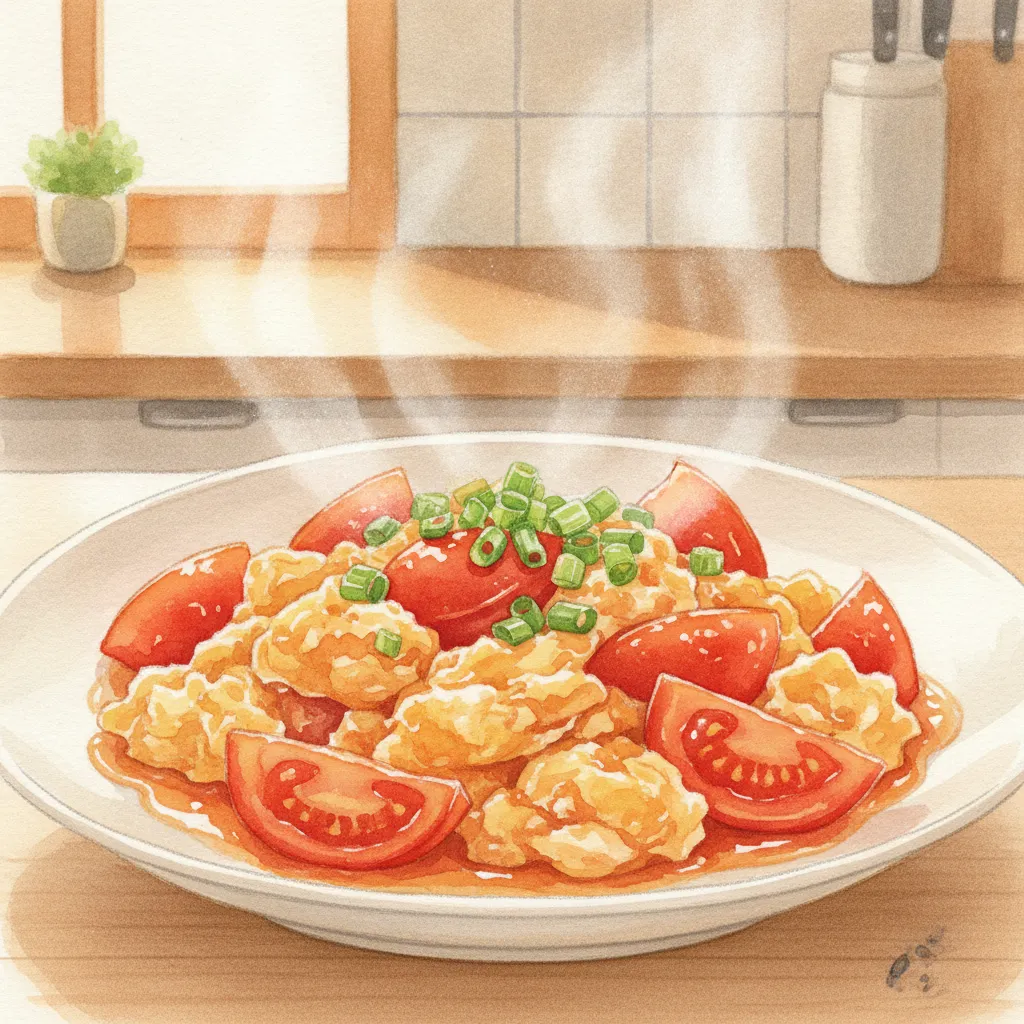
Tomato Stir-Fry with Eggs
The most classic Taiwanese home-cooked dish — sweet and tangy tomatoes paired with silky scrambled eggs. Simple yet unforgettable.
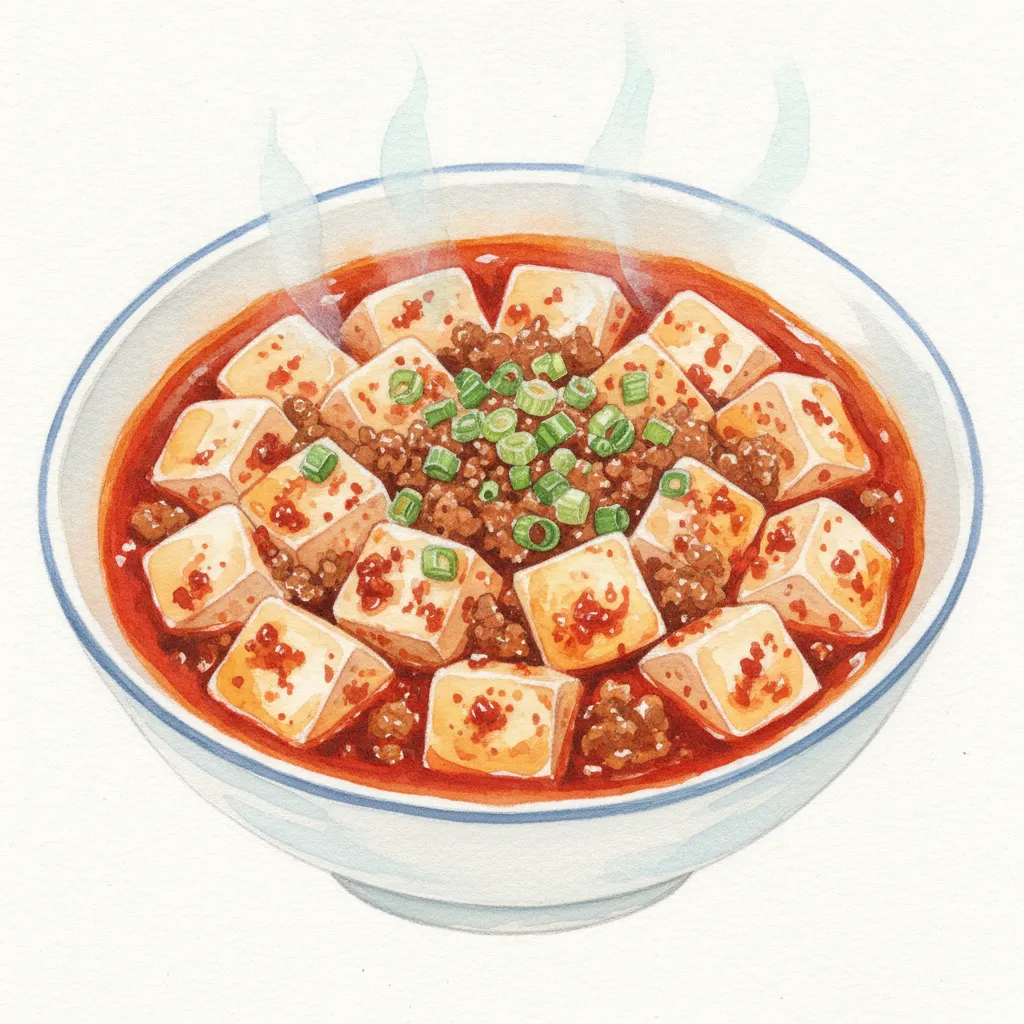
Mapo Tofu
A Sichuan classic beloved in Taiwan — silky tofu in a spicy, numbing red oil sauce with minced pork. The ultimate rice killer.
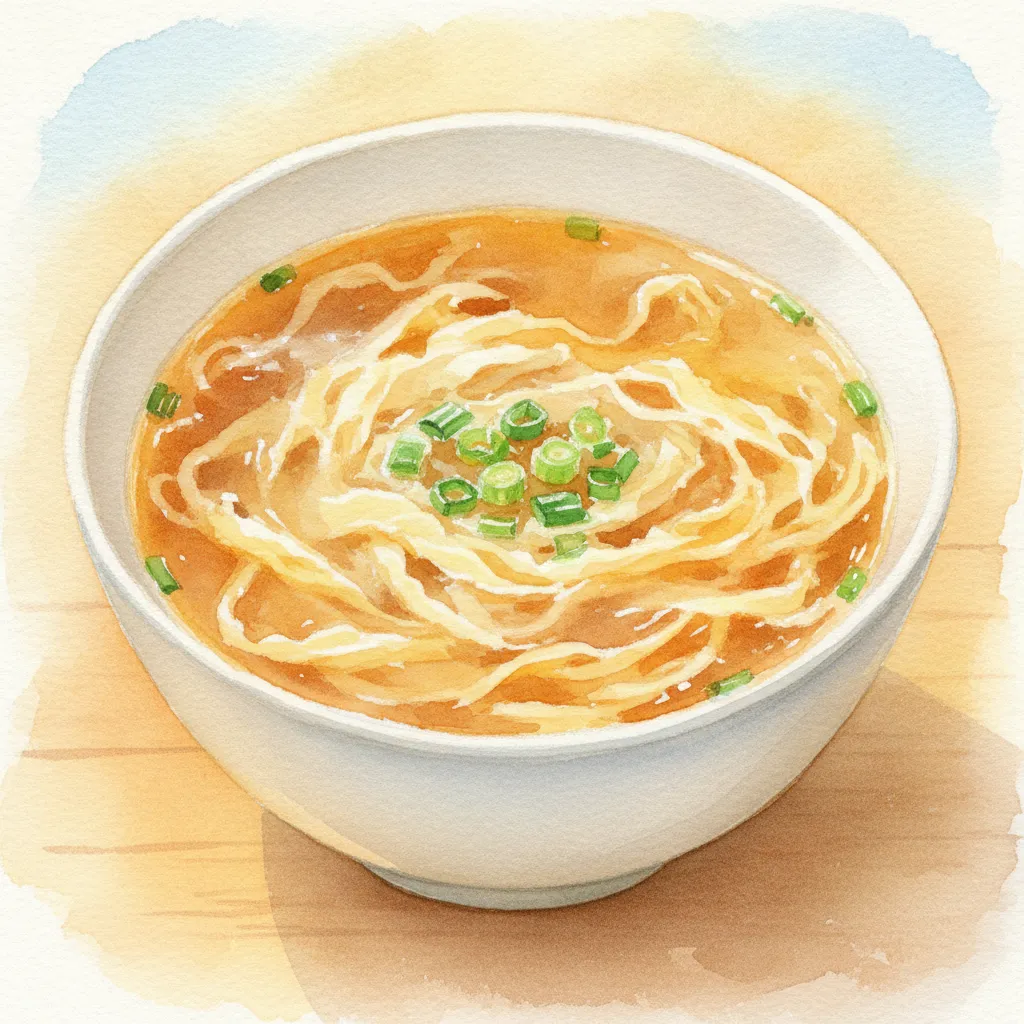
Egg Drop Soup
The simplest comfort soup — ready in three minutes. Silky egg ribbons floating in clear, savory broth. Pure soothing goodness in every spoonful.